A country name in an abstract does not prove cohort origin.
 ACBDTAfrica Cancer Biomarkers
Database & TechnologyContribute data

Evidence you can trace
Africa's cancer biomarker evidence, made legible.
ACBDT connects cancers, biomarkers, assays, studies, African cohorts, and source evidence—without confusing a literature mention with a verified finding.
Illustrative visualization · Not a clinical specimen
The evidence layer
From a search result to the reason it can be trusted.
Global databases are excellent discovery infrastructure. ACBDT adds the African cohort verification, structured biomarker findings, provenance, and scientific review needed to interpret those records responsibly.
Gene, variant, protein, assay, study, and finding remain distinct.
Featured research pathways
Start with a cancer.
Follow the biology.
The first pilot focuses on five cancers and a defined biomarker vocabulary. These pathways demonstrate the intended discovery experience.
 01
Breast cancer
HER2 · BRCA1/2 · Ki-67
Explore pathway 02
Cervical cancer
HPV · p16 · E6/E7
Explore pathway 03
Prostate cancer
PSA · AR · genomic markers
Explore pathwayAll cellular images are illustrative visualizations and are not diagnostic microscopy.
West Africa pilot · Phase 1
Eight countries.
One reproducible protocol.
Europe PMC supplies candidate literature. ACBDT supplies the screening decisions, verified cohort metadata, structured findings, and source-linked review.
Open the coverage atlasDiscover
Reproducible country × cancer searches return candidates.
Screen
Reviewers separate mentions from relevant studies.
Verify
Cohort, assay, biomarker, and finding are structured.
Approve
Evidence spans and review decisions stay attached.
Latest validated evidence
Trust begins with an honest empty state.
The pilot has not published reviewer-approved findings yet. The interface will not manufacture totals, prevalence, or strength claims to make the product look busy.
Scientific review is in preparation
Read the protocol Use Explore to test the synthetic discovery workflow. Approved evidence will appear here only after cohort verification and source-level review.
Built for people
One evidence system.
Four ways to use it.
Language, depth, and tools adapt to the task while the scientific source of truth stays consistent.
Researchers
Find candidate literature, compare study context, and trace every claim back to its source.
Follow this pathClinicians
Review assay, cohort, and evidence-quality context without turning research evidence into diagnosis.
Follow this pathPatients & families
Learn what biomarkers are, why context matters, and which questions to bring into care conversations.
Follow this pathCurators & stewards
Screen candidates, verify cohort origin, record decisions, and protect scientific provenance.
Follow this pathThe initiative
Stewarded by people.
Built in the open.
The team brings biomedical research, molecular biology, One Health, open science, and community-building perspectives to ACBDT.
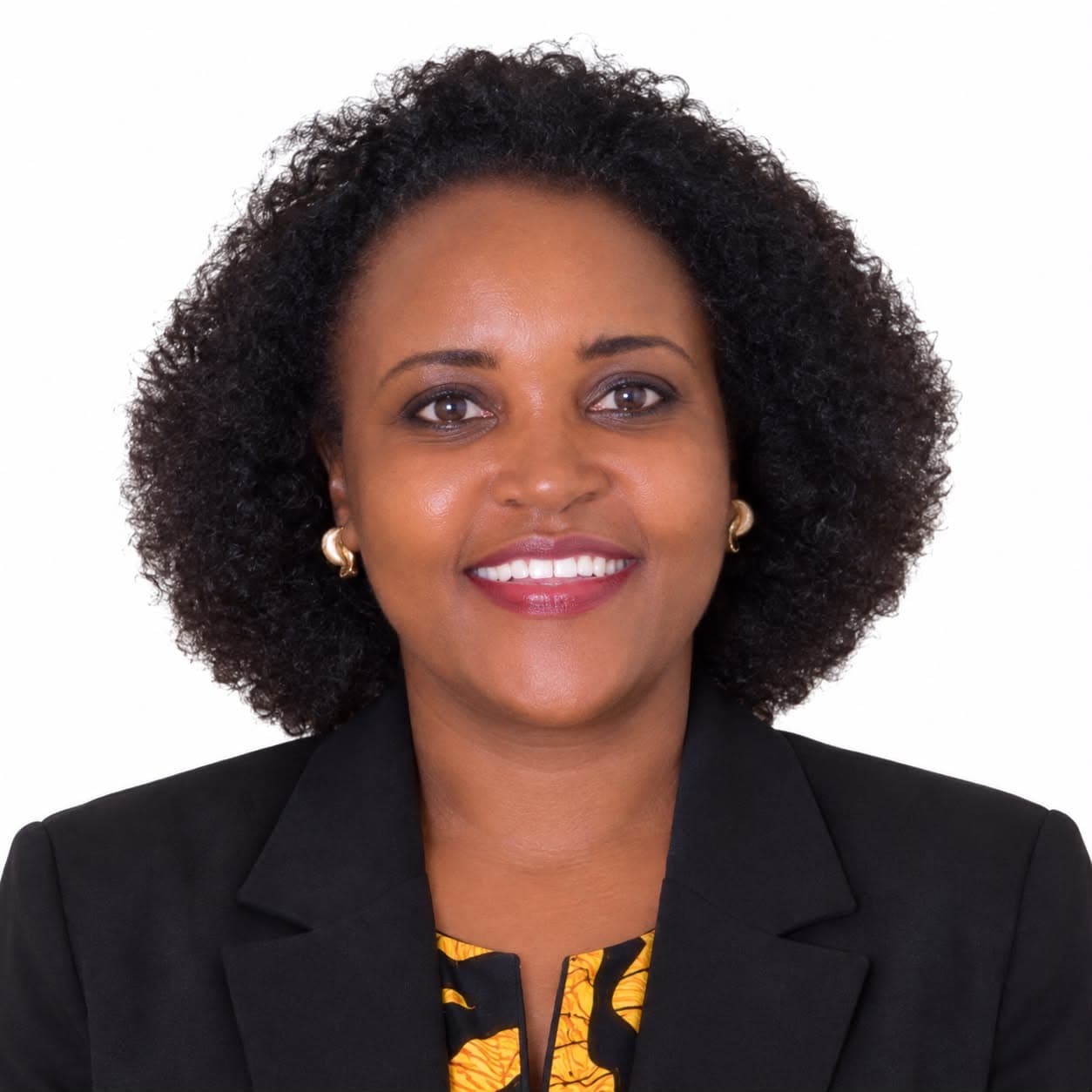 Team profile
Israel
Susan Njuki
Project lead · Biomedical scientist
View full profile
Primary instituteHebrew University of Jerusalem, Jerusalem, Israel
Secondary instituteCentral Veterinary Laboratories, Nairobi, Kenya
Susan has a background in Biomedical Sciences, with research experience focused on identifying potential therapeutic drug targets for Glioblastoma Multiforme. She supports African students and alumni in Israeli universities across BSc, MSc, and PhD programmes, organizing lecture series, workshops, research discussions, and communities of practice for knowledge exchange and professional development.
[email protected] Team profile
Somalia
Ahmed Abbi Abdille
Molecular biologist & biotechnology researcher
View full profile
Primary instituteGlobal Science University, Somalia
Secondary instituteCenter for Public Health Research, Somalia
Ahmed holds a PhD in Molecular Biology and Biotechnology. His research focuses on developing and evaluating antimicrobial peptides as potential therapeutic targets for cancer treatment. He supports researchers, health professionals, and students through open-science education, research conferences, communities of practice, institutional development, and capacity building.
[email protected]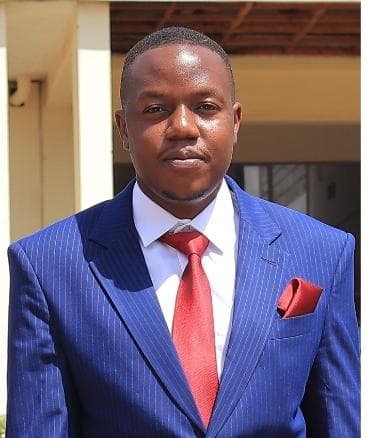 Team profile
Kenya
George Lugonzo
One Health scientist
View full profile
Primary instituteKenya Agricultural and Livestock Research Organization (KALRO)
George is a One Health scientist with a background in Microbiology and Biotechnology. His experience spans molecular diagnostics, infectious-disease research, epidemiology, bioinformatics, and data interpretation. He advances public health through vaccines and bioproducts that minimize chemical exposure, including livestock probiotics, while generating evidence for health challenges affecting people and animals.
[email protected]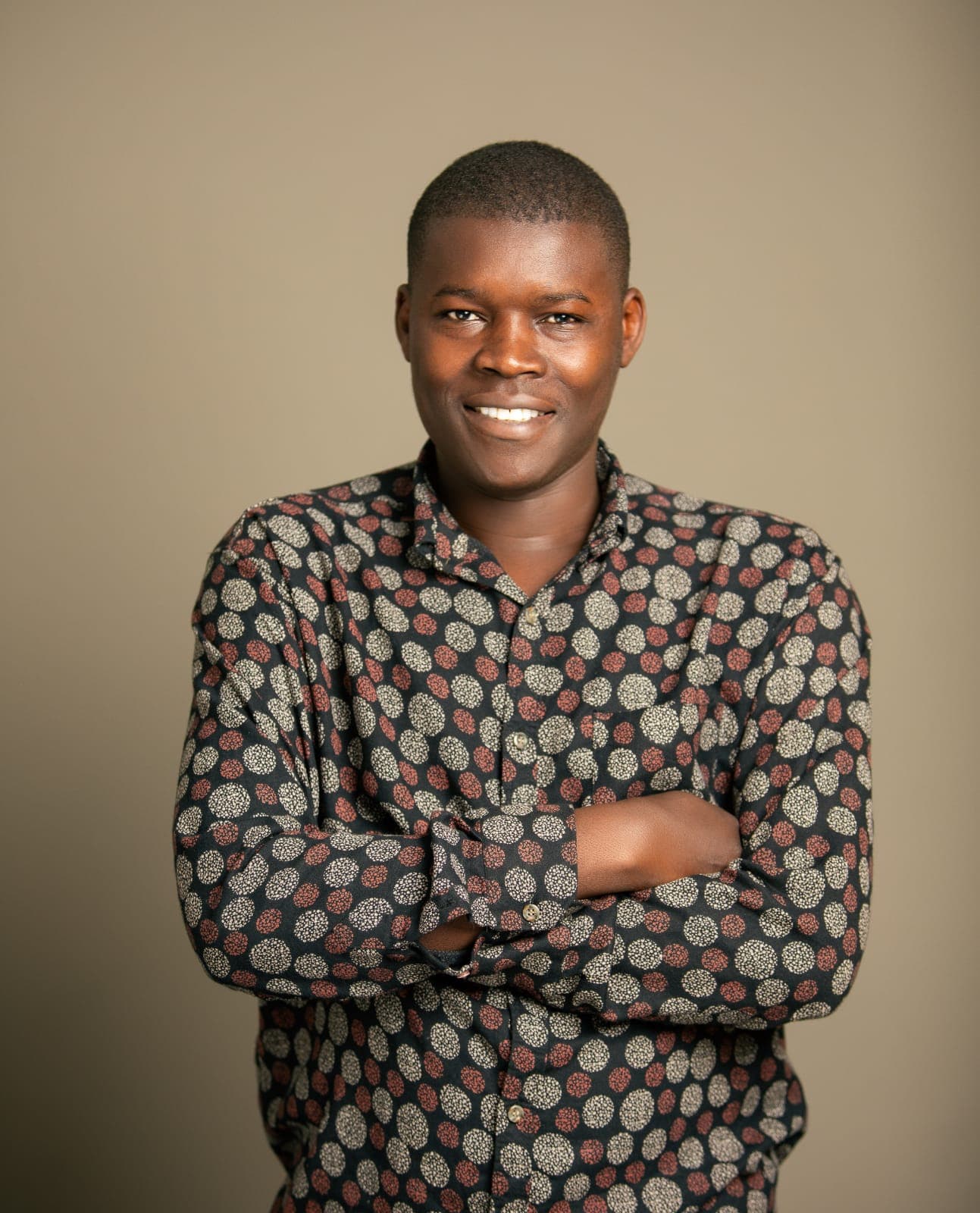 Profile pending
Brevin Ochieng Olunga
Project collaborator
View full profile
Primary instituteInstitutional affiliation to be confirmed
Brevin contributes to the collaborative development of ACBDT and its goal of making African cancer biomarker evidence easier to discover, interpret, and reuse. This is temporary profile copy pending a confirmed biography and affiliation.
Biography and contact details awaiting confirmation.
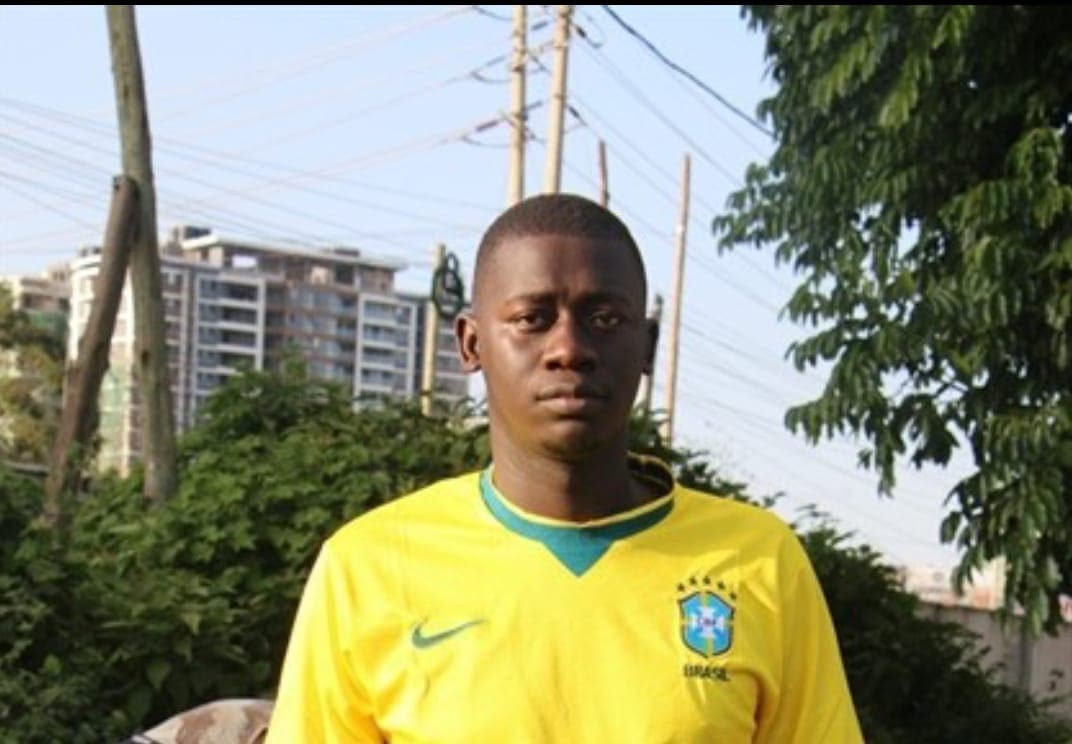 Profile pending
John Paul Aguta
Project collaborator
View full profile
Primary instituteInstitutional affiliation to be confirmed
John Paul supports the ACBDT collaboration and the development of an open, evidence-traceable research resource. This is temporary profile copy pending a confirmed biography and affiliation.
Biography and contact details awaiting confirmation.
Build the evidence layer
Contribute data.
Keep the source attached.
Join the scientific review, improve the open ingestion workflow, or contribute an Africa-centred study for screening.
See contribution pathways