
About ACBDT

Scientific context,
built into the record.

ACBDT is an Africa-centred, open research initiative that structures cancer biomarker evidence without separating a finding from its cohort, assay, review status, or original source.

Why this work matters

A database designed around evidence—not just mentions.

Global archives make literature and biological records discoverable. ACBDT adds the structured African cohort context needed to understand whether a biomarker was measured, how it was measured, and what the study actually reported.

The initiative combines reproducible literature discovery, human scientific review, open methods, and accessible software. Prototype records are labelled clearly and are never presented as clinical guidance.

Project team

Research, stewardship
and technology.

Small profiles keep the focus on each person’s role, affiliations, and contribution to the initiative.

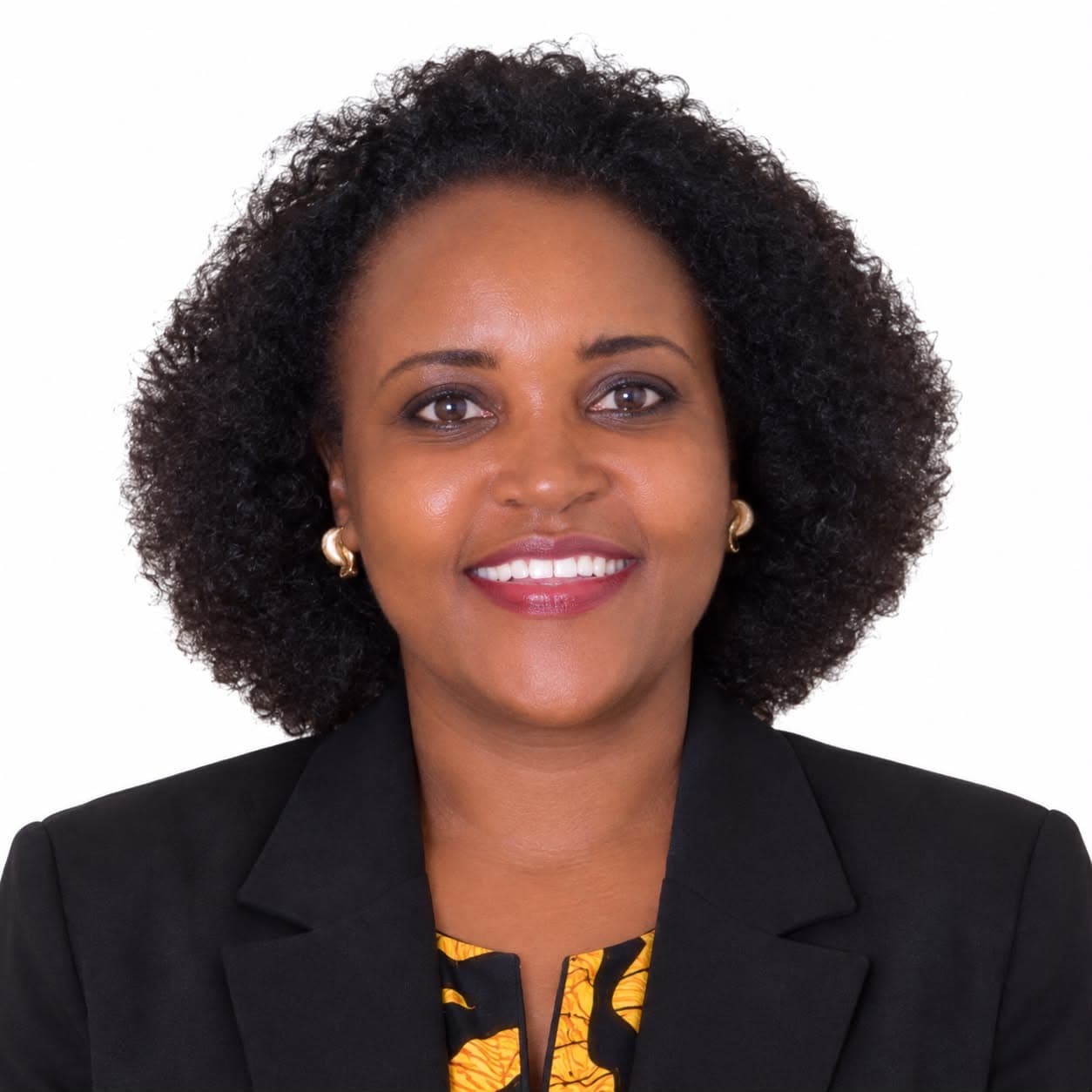
Susan Njuki

Israel

Susan Njuki

Project Lead · Biomedical Scientist

Primary affiliationHebrew University of Jerusalem, Jerusalem, Israel

Secondary affiliationCentral Veterinary Laboratories, Nairobi, Kenya

Susan has a background in Biomedical Sciences, with research experience focused on identifying potential therapeutic drug targets for Glioblastoma Multiforme. She supports African students and alumni in Israeli universities across BSc, MSc, and PhD programmes, organizing lecture series, workshops, research discussions, and communities of practice for knowledge exchange and professional development.

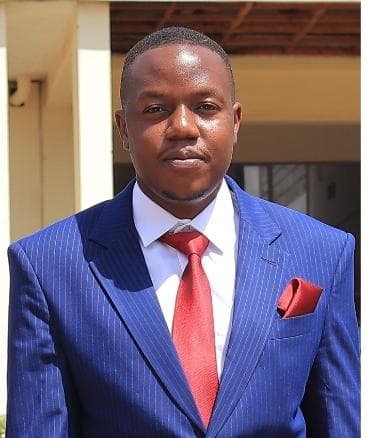
Ahmed Abbi Abdille

Somalia

Ahmed Abbi Abdille

Molecular Biologist & Biotechnology Researcher

Primary affiliationGlobal Science University, Somalia

Secondary affiliationCenter for Public Health Research, Somalia

Ahmed holds a PhD in Molecular Biology and Biotechnology. His research focuses on developing and evaluating antimicrobial peptides as potential therapeutic targets for cancer treatment. He supports researchers, health professionals, and students through open-science education, research conferences, communities of practice, institutional development, and capacity building.

George Lugonzo

Kenya

George Lugonzo

One Health Scientist

Primary affiliationKenya Agricultural and Livestock Research Organization (KALRO)

George is a One Health scientist with a background in Microbiology and Biotechnology. His experience spans molecular diagnostics, infectious-disease research, epidemiology, bioinformatics, and data interpretation. He advances public health through vaccines and bioproducts that minimize chemical exposure, including livestock probiotics, while generating evidence for health challenges affecting people and animals.

Brevin Ochieng Olunga

Kenya

Brevin Ochieng Olunga

Project Research Associate

Primary affiliationKenya Medical Research Institute

Secondary affiliationKenyatta University

Brevin is a medical virologist and biotechnologist with eight years of professional experience in medical research. His tenure at the Kenya Medical Research Institute (KEMRI) established core technical expertise across advanced molecular biology assays and pathogen genomic surveillance protocols. He serves as an open-science fellow through the Open Seeds (OLS) mentorship programme, contributing directly to computational curation and database development for biomarkers. Professionally affiliated with the Biochemistry and Biotechnology Professional Society of Kenya (BBPSK), his academic and professional trajectory centres on multi-institutional collaboration, research, and innovation.

John Paul Aguta

John Paul Aguta

Project Collaborator

John Paul supports the ACBDT collaboration and the development of an open, evidence-traceable research resource. His project profile and institutional affiliations will be expanded as the initiative progresses.

Comfortine Siwende

Comfortine Siwende

AI Engineer & Software Developer

Comfortine leads the technical implementation of the ACBDT web platform, translating the project’s scientific evidence model into accessible digital workflows. The work spans product engineering, responsible AI integration, data interfaces, and deployment architecture for an open, maintainable research platform.